

OpenAI Codex CLI: a terminal coding partner for safer speed
OpenAI Codex CLI helps with terminal coding chores, but every suggestion still needs human review and passing tests before merge.
Read articleInsights
Thoughtful articles, clear explainers, and useful updates to help readers make informed decisions.
19 articles found
OpenAI Codex CLI helps with terminal coding chores, but every suggestion still needs human review and passing tests before merge.
Read article
Teams building AI-assisted features often need more than quick code suggestions. Kiro is useful when you want prompts, requirements, implementation steps, and review points to stay in one place before changes touch a real codebase.
Read article
If you keep moving PDFs, docs, and slides into AI tools by hand, Microsoft MarkItDown can shorten prep time by standardizing source content into clean Markdown first.
Read article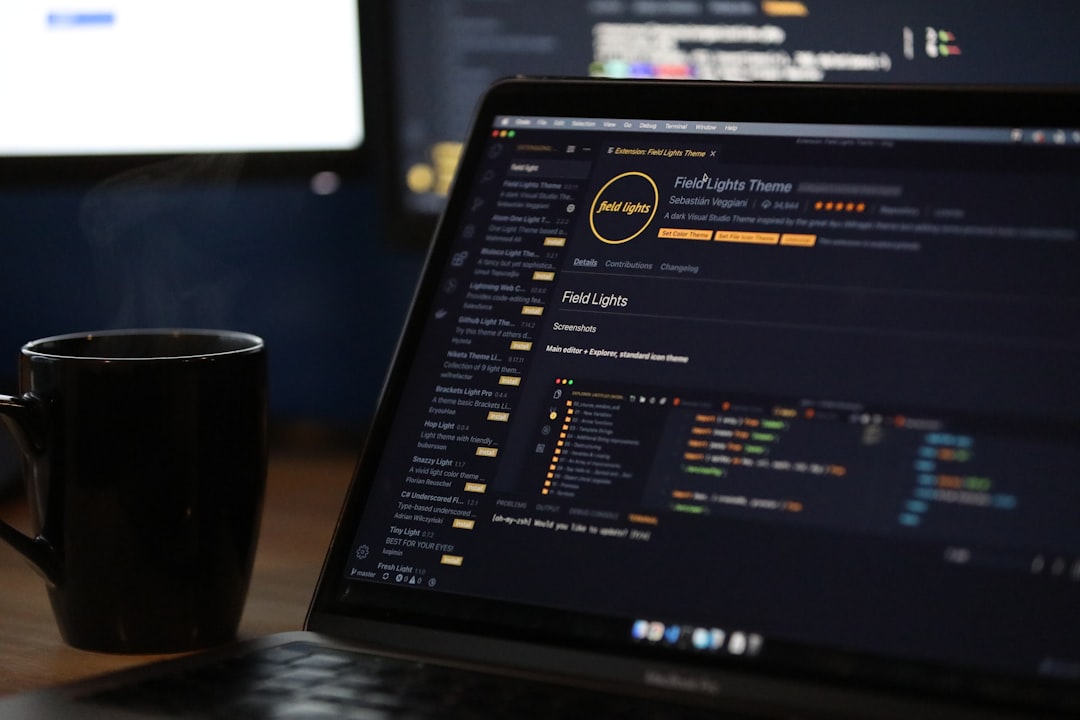
Many developers want AI help inside the editor, but not at the cost of losing control over workflow, models, or code. Continue is a strong option when you want an AI coding assistant that can be tuned by your team and used where work already happens: inside the IDE.
Read article
If your TypeScript team is drowning in ad hoc prompt glue, Mastra can help you package AI agents, memory, and observability into a cleaner developer workflow.
Read article
Pydantic AI can help teams build AI agents that stay in shape when inputs are messy, outputs must match a schema, and production integrations need predictable data.
Read article
Google Jules can take bounded GitHub tasks off your plate, but it works best when every change comes back for careful human review first.
Read article
When tasks touch many files, Claude Code can keep changes organized, as long as the team keeps strict review habits in place.
Read article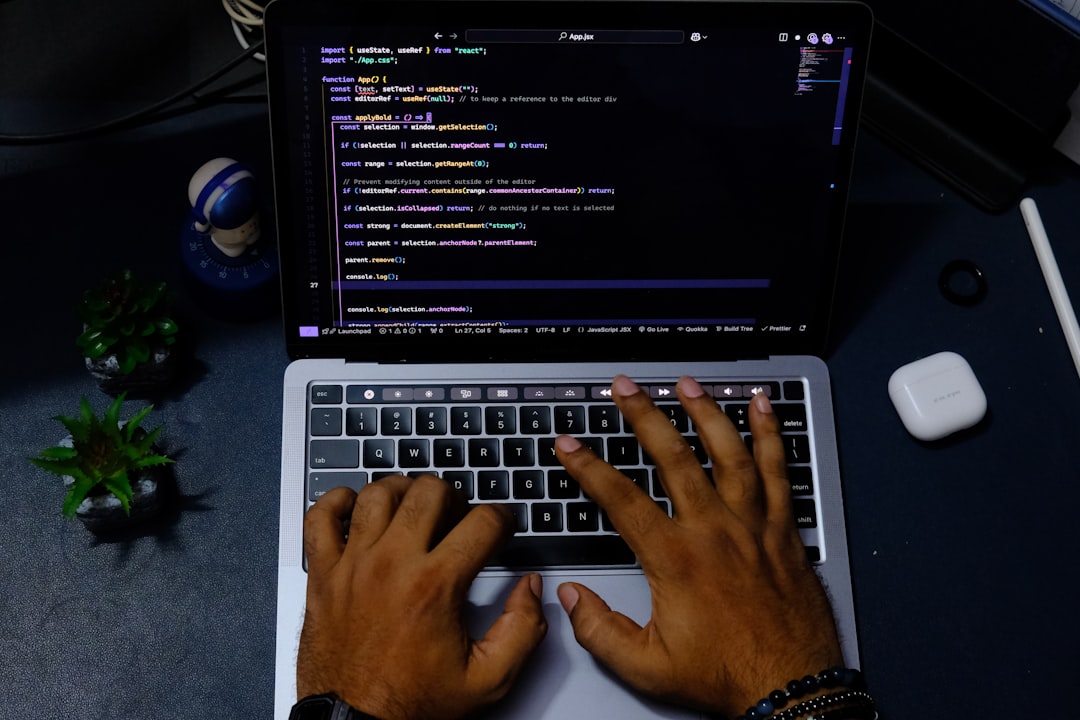
Google Gemini CLI gives developers a terminal-based AI assistant for codebase questions, file-aware summaries, and workflow automation, while keeping the boundaries of cloud usage and privacy visible.
Read article